Junior Golf Development and How a Golf Cart GPS System Can Help
The golf cart GPS system plays a major role in modern-day junior golf development. Junior golf is more popular than it’s ever been, and participation among young golfers continues to grow. As such, the pathway from junior golf to collegiate golf is becoming more and more crowded, as thousands of players are competing for a limited number of roster spots and scholarships.
A sound swing isn’t enough for aspiring college golfers to be successful. Today, coaches are seeking athletes who can perform under tournament pressure, manage their game, and showcase strong character while navigating the recruitment process professionally. Rankings like the Junior Golf Scoreboard and World Amateur Golf Ranking have become key benchmarks.
As mentioned, technology is also playing a key role. Tagmarshal’s golf cart GPS system, in particular, is helping junior golfers make smarter decisions, learn effective course management, and develop the habits needed for competitive golf.
In this article, we’ll look at early development, the junior tournament landscape, the college recruitment process, the role of parents and coaches, and, of course, how the golf cart GPS system helps junior golfers get the best out of their game.
The Golf Cart GPS System and Early Development
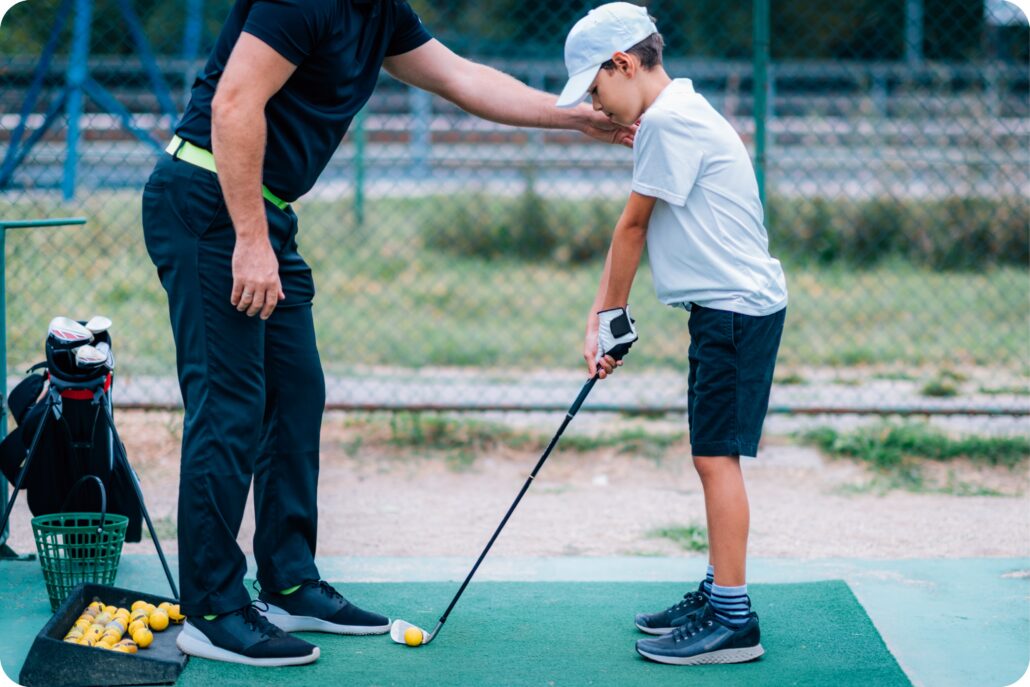
Any successful golf journey is built during the early years of development. From ages 6 to 12, golf should be about having fun and developing a genuine love for the game. Forget about tournament rankings, scholarships, or exceptional performances – the goal of junior golf is to learn valuable skills like discipline, patience, sportsmanship, and resilience. There are also a host of benefits that come with kids spending time outdoors and being physically active.
Parents and coaches placing too much pressure on kids at this age are making a big mistake. Yes, competition can be healthy, but young golfers who are more focused on scores than having fun may lose their love of the game and the enjoyment that brought them to the game in the first place.
Experts in junior golf development are constantly emphasizing the point that success is more closely linked to sustained engagement rather than early achievement.
Why Enjoyment Comes First
If children are not enjoying golf in the early years, what are the chances that they will continue to play through to adulthood? By putting enjoyment first, there is a much greater chance that young players fall in love with the game and keep playing well into adulthood. The best junior programs are built around creating positive experiences that build confidence and encourage curiosity.
Remember, golf offers developmental benefits that go beyond competition. Young players learn how to manage emotions, respect rules, interact with others, deal with setbacks, and take responsibility. At this age, these lessons are as important as, if not more important than, technical golf skills.
The Dangers of Early Burnout
Junior golf is becoming more and more competitive, but it’s key to avoid falling into the trap of treating childhood golf like a professional career. The last thing we want is for kids to get burned out early on, and it remains one of the biggest risks in youth sports.
For children playing competitive golf, year-round tournaments, intensive coaching programs, and high-performance expectations can quickly lead to children feeling overwhelmed. A loss of motivation and a lack of enjoyment may drive children away from the sport altogether. This means some kids will never reach their full potential purely because too much pressure was placed upon them as kids.
Instead of focusing on chasing rankings during the formative golf development years, junior golfers should work on developing a wide foundation of skills. This includes swing fundamentals, course etiquette, athletic movement, golf course navigation, and more.
The modern golf cart GPS system also helps simplify the game for juniors by providing easy-to-understand yardages, hole layouts, and course information. If the course is easier to navigate and less intimidating, more junior golfers will spend time learning and enjoying the game. A positive experience on the course while young supports the long-term development of junior golfers.
The Junior Tournament Landscape

The junior tournament landscape begins at the ages of 13 to 18. This means competitive golf takes on new meaning for junior golfers, as performances in tournaments can directly influence college recruitment opportunities.
While from ages 6 to 12, the focus should be on enjoyment and skill building, tournaments for golfers between the ages of 13 and 18 become just as important as technical skill. It’s here where players start to develop mental toughness, decision-making skills, and the consistency needed to succeed under pressure.
Junior golfers also build up visibility among college coaches with a strong tournament schedule. While in many other sports, recruitment is largely based on direct scouting, golf is heavily reliant on the ranking system, tournament results, and scoring records.
Understanding Junior Golf Scoreboard (JGS)
The Junior Golf Scoreboard (JGS) is widely recognized as the go-to system for ranking junior golfers based on performances in tournaments. The JGS gives coaches a standardized method of comparing golfers from different regions and competitive levels. The ranking system is used by college coaches during the recruitment process.
Junior golfers who consistently compete in strong fields and post solid finishes are more likely to earn a scholarship. The more tournaments played, the higher the player’s visibility.
To qualify for JGS rankings, players must meet a few requirements:
- Age: Players should be between 12 and 18 years old to qualify.
- Rounds and Tournaments: Players must have competed in four multi-day stroke play tournaments or multi-round match play qualifiers, with a total of 8 completed 18-hole rounds within the last year.
- Tournament Type: Only tournaments that meet JGS standards are recognized, such as state, regional, national, or specific junior tour events (like the AJGA tournaments).
Understanding the World Amateur Golf Ranking (WAGR)
The World Amateur Golf Rankings are important for elite junior players. WAGR is a global ranking system that measures performance in high-level amateur events around the globe. It is often used by colleges, national golf organizations, and professional tours to identify and assess talent.
Any strong performances in recognized tournaments can contribute towards obtaining a WAGR ranking. Juniors who want to one day play Division 1 golf or compete on the international stage must understand WAGR.

The Unspoken Skill: Pace of Play and Professionalism
Any experienced golfer understands the importance of pace of play on the course. For juniors, this is a skill that should be developed early, as pace of play becomes a major focus in elite junior tournaments. During tournaments, slow play can end up in warnings and penalties.
Organizations like the American Junior Golf Association (AJGA) put a great amount of emphasis on pace of play, and they give players detailed guidelines surrounding maintaining position, preparing shots, and avoiding delays.
Understanding Pace of Play as a Competitive Skill
At a glance, many may think that pace of play is purely about walking faster between rounds. The truth is that pace of play is about planning and decision-making. The most efficient players plan their next shot as they’re walking to the ball, understand yardages quickly, and commit to decisions without second-guessing, thereby avoiding delays. Players who keep a constant rhythm also have stronger performances.
How Tagmarshal’s Golf Cart GPS System Helps
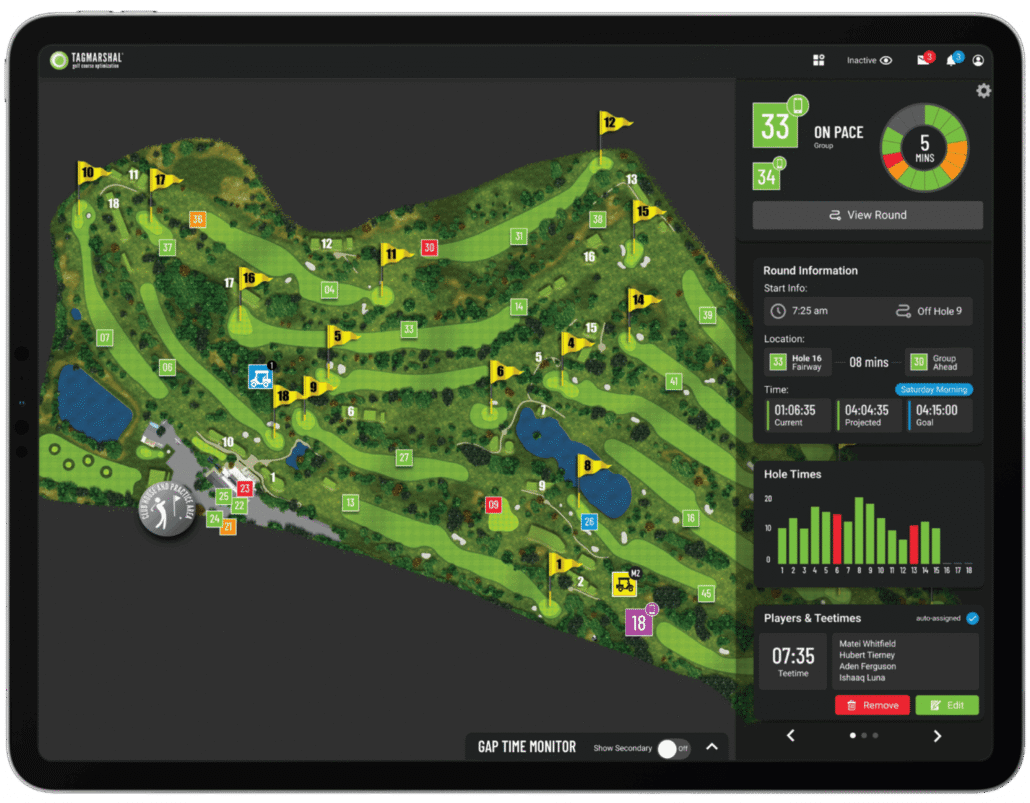
Tagmarshal’s AI-driven course optimization technology helps courses keep a consistent pace by decreasing potential bottlenecks and curtailing unnecessary waiting throughout rounds. The golf cart GPS system uses GPS tracking and real-time course intelligence to track the movement of groups throughout a round. This allows operators and tournament officials to identify slowdowns before they become noteworthy delays.
For junior golfers, this creates an environment that carefully resembles the standards they’ll need to meet in competitions and tournaments. Learning to play within a consistent pace framework helps younger players develop professional habits, good pre-shot routines, and better on-course decision-making.
The College Recruiting Process
Competitive junior golfers tend to have aspirations of playing collegiate golf. The recruitment process is incredibly competitive, though. College coaches do more than just look at scoring averages; they seek out golfers who have performed consistently in tournament golf, maintain strong academics, and have the character and maturity required to succeed in a team environment.
A strong golf resume starts during junior golf. Younger players should concentrate on playing in recognized tournaments, improving rankings, keeping up academic performance, and creating a recruiting profile that includes tournament results, academic achievements, and swing videos.
Ranking systems like JGS and WAGR (mentioned above) help college coaches compare players across different competitive levels and regions. Many are playing in the hope of earning a scholarship, but this is an extremely competitive field. NCAA Division 1 men’s programs only have 4.5 scholarships available across an entire roster. As such, many award partial scholarships rather than full ones.
NCAA Division 1 coaches can begin direct recruitment contact on June 15 in a player’s sophomore year. Official and unofficial visits can begin before junior year under current rules.
How Technology is Supporting Junior Golf Development
Modern-day golf technology, like the golf cart GPS system, is becoming an increasingly important part of junior golf development. While a lot of young golfers spend time focusing on swing analysis and launch monitor data, on-course tech can be a game-changer in terms of helping young players develop decision-making, course management, and professional habits needed for competitive golf.
Learning the Course
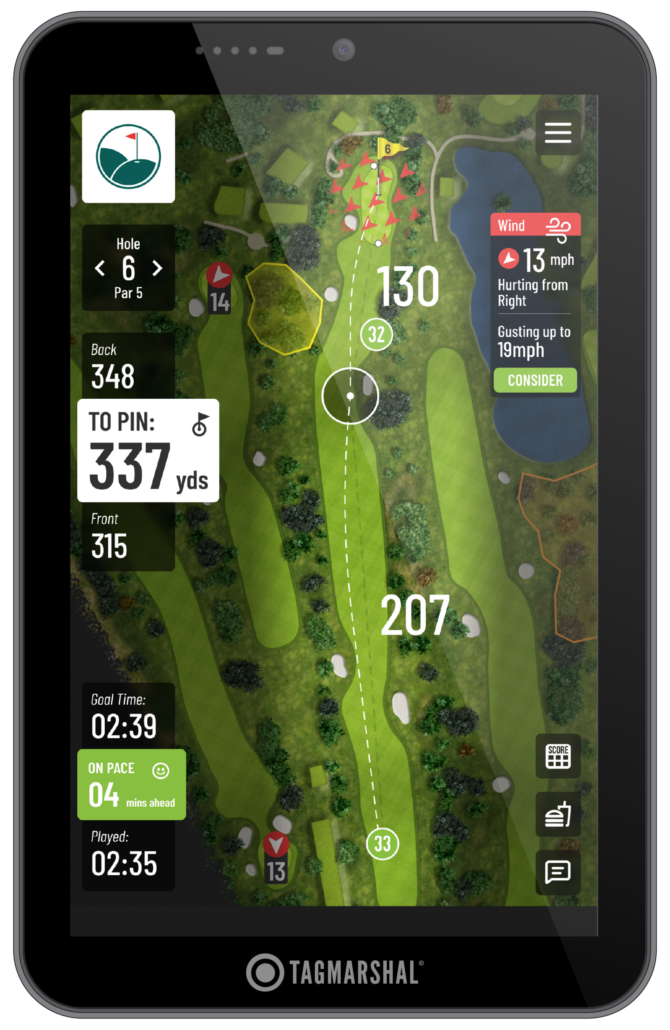
Junior golfers may struggle to find their way around a golf course. Performing successfully in tournament golf requires understanding distances, choosing the right targets, and avoiding unnecessary risks.
Tagmarshal’s golf cart GPS system helps junior players develop these skills by providing precise yardages, detailed hole layouts, and hazard information via 2Way cart screens. Instead of relying on guesswork or course markers, players have access to accurate information that can help them make smarter decisions and build confidence in their course management skills.
Building Better Pace of Play Habits
As mentioned above, AI-driven golf technology is helping junior golfers develop stronger pace of play habits. College coaches and tournament officials expect junior players to maintain a professional pace while staying aware of their position on the course.
Tagmarshal’s course optimization technology creates an environment where junior golfers can learn these habits naturally. The system reduces bottlenecks by monitoring and managing the flow of play across the course. This allows players to develop a more consistent rhythm. Junior golfers can use this to develop strong routines and the pace awareness needed at the highest levels of the game.
Real-Time Tracking For Junior Tournaments

Tagmarshal’s golf cart GPS system can support junior events through non-intrusive player tracking devices carried by competitors or caddies. These lightweight tags, such as the RangeTag, give tournament officials objective, real-time pace-of-play data throughout the round.
Officials can use the optimization technology to identify delays, monitor group positions, and manage pace using accurate data. This naturally creates a fairer and more professional tournament environment while helping junior golfers understand the standards that they will need to get used to in collegiate and elite amateur competition.
The Role of the Parent
Parents play a massive role in junior golf development, as they’re the ones who provide transportation, financial support, encouragement, and guidance throughout this period. There is, however, a fine line between being supportive and applying too much pressure. Placing too much focus on rankings, scholarships, or tournament results can lead to burnout and take all of the enjoyment out of the game.
College coaches also pay close attention to parent behavior during the recruitment process. Organizations such as the AJGA look at spectator conduct, professionalism, and sportsmanship. Coaches want players who are both talented and who fit into the team culture. A disruptive or unprofessional parent can therefore negatively impact a junior golfer’s chances.
The best parents support development without taking over every aspect of the child’s golfing journey.
Final Thoughts
Junior golf is an incredibly competitive field, but for players to be successful, they need more than just a strong swing. Players need to combine skill development, tournament experience, professionalism, and smart course management to build an impressive resume.
Discover how Tagmarshal’s golf cart GPS system and optimization technology help courses create better developmental and tournament environments for the next generation of players!
SEE TAGMARSHAL IN ACTION
Watch Demo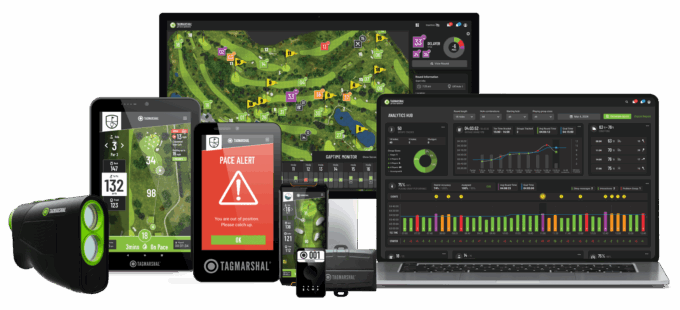
ABOUT TAGMARSHAL
Tagmarshal, the market leader in on-course optimization technology, provides courses with full, real-time operational oversight and reporting, giving golf operators the tools to manage pace and flow of play effectively, resulting in enhanced player experiences, increased efficiency through automation, and additional revenue generation.
Tagmarshal’s technology has collected over 100 billion data points from more than 95 million tracked and improved rounds of golf and has relationships with in excess of 900 partners, including Hazeltine, Whistling Straits, Baltusrol, Fieldstone, Bandon Dunes, The Old Course at St Andrews Links, Serenoa and Erin Hills.
Tagmarshal partners with several golf management groups, private, daily fee, public and resort courses, including 50 of the Top 100 courses, as well as many $40-$60 green fee courses, which are seeing excellent results using the system.
SOLUTIONS
 WATCH DEMO

