Golf Industry Statistics: A Golf Cart GPS System Data-Driven Overview
All over the world, golf keeps evolving, with smart technology and the golf cart GPS system playing a major role in the shift. Golf used to be seen as a traditional and time-consuming sport; today, golf is more accessible, welcoming, and for some people, even more exciting. From indoor simulators and entertainment venues to advanced on-course systems, the game has expanded, and the data proves it.
In this article, we’ll look at the golf industry statistics surrounding the global market size, participation trends, demographics, equipment and technology growth, tourism in golf, and the power of the golf cart GPS system in the modern game.
Golf Cart GPS System: The Global Golf Industry Size and Market Growth
Golf is not a small-time sport. The industry represents a massive global market and includes equipment, property, clothing, tourism, entertainment, and technology. Reports suggest that the global golf economy is valued at tens of billions of dollars, with steady growth projected over the coming years. If we take a closer look, the equipment market alone, valued at $7B in 2023, is anticipated to develop at a CAGR of around 4-5%.
At the same time, the golf tourism market keeps growing, as players all around the world seek out premium rounds at some of the sport’s most iconic locations. The global golf tourism market is expected to reach $41B by 2030, based on data from Grand View Research.
Another major growth area is in golf tech, where Tagmarshal’s GPS system is becoming a key element of the game. Golf is transitioning into a data-driven sport, and technology makes this easier, where both players and operators can use real-time data for an improved experience.
Golf Participation Rates by Region
Globally, more than 66 million people play golf across 206 countries (based on data from R&A). Let’s look at some of the major regions.

North America: The Largest Golf Market
As you may have guessed, North America remains the largest and most established golf market in the world. The National Golf Foundation (NGF) states that over 29 million people in the United States alone played on-course golf last year, with total participation (including off-course formats) hitting over 45 million.
This market benefits from a strong collection of golf courses, well-developed infrastructure, and a long-standing history of golf culture. Tagmarshal’s golf cart GPS systems are found on many leading North American courses, including Pebble Beach, Bandon Dunes, Pinehurst Resort, Kiawah Island, and more.
Europe: Stable Growth and Strong Tourism Links
Europe is another major market and continues to show steady growth in golf participation. This is supported by a combination of local play and international tourism. The United Kingdom, Ireland, and Spain are big contributors, with many world-famous courses bringing in golfers from all around the world.
The European market is also adopting new technology, like golf cart GPS systems, at a rapid rate. Tagmarshal, for example, has offices in Ireland and Spain, helping the sport grow in Europe. As golf continues to grow, the use of these systems in the on-course experience has become vital.
Asia: The Fastest-Growing Golf Market
In Asia, we find the fastest-growing region for golf, especially in Japan, South Korea, China, and Thailand. The expansion is being driven by rising incomes, urbanization, off-course golf, and increased interest in the game.
The sport is being introduced alongside technology, so new players are entering the game with expectations of GPS and digital systems. As the sport grows, we see golf cart GPS systems and smart technology become normal, expected features.
Golf Demographics: Who’s Playing?
It’s not just the off-course and on-course experience that’s changing; the demographic profile of golfers has been shifting in recent years. While golf was traditionally associated with older, affluent players, recent data shows a move toward a younger and more diverse audience.

Age Trends
These days, younger people are entering the game at an ever-increasing rate, largely because of the growth of off-course golf venues like simulators and driving range entertainment facilities. With this more accessible and less intimidating introduction, players are more likely to try the on-course experience.
Gender Participation
Golf was once seen as a male sport, but female participation in the game is on the rise. Women make up a growing percentage of new golfers, which naturally leads to a more balanced and inclusive player base. In the U.S., there were more than 8 million female on-course golfers in 2025 aged 6+, a 46% increase since 2019.
Income and Accessibility
Golf may still be associated with higher income groups, but the rise of different formats and more affordable entry points is expanding the appeal. Public courses, off-course venues, and flexible pricing models mean the game is more accessible today than it ever has been.
For operators, this challenge can be turned into an opportunity. The goal is to meet the expectations of a modern and diverse audience, and that means investment in golf technology like GPS systems. With the right technology, operators can improve pace of play and create a more engaging experience overall.
Golf Cart GPS System: Equipment and Technology Trends
In a sport like golf, the equipment market is huge. From the wide range of clubs to the ever-increasing range of different golf tech trends, the market keeps growing. The industry is also becoming more data-driven, and both players and operators are relying on insights to improve performance and decision-making.
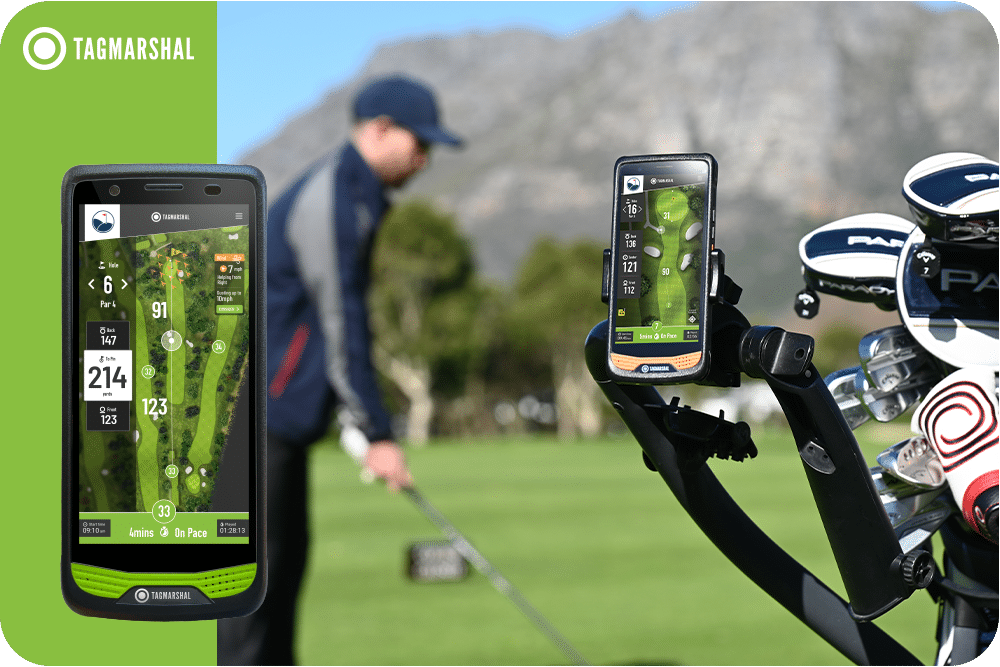
Here are a few of the key technology trends we see in golf today:
- Simulators and launch monitors: Widely used for practice and entertainment.
- Wearables and smart devices: These devices provide real-time performance monitoring.
- Mobile apps and GPS tools: Offers yardages, scoring, and analytics.
- Course management systems: Give operators the power to optimize operations.
Many of the above technologies are player-focused, but golf cart GPS systems are designed to benefit both the course operator and the player with course-level technology.
For example, Tagmarshal’s golf cart GPS systems give you a holistic view of operations, tracking cart movement, monitoring pace of play, and communicating in real-time with staff and players.
Growth in Emerging Golf Markets
As is the case with any sport, growth in emerging markets is playing a big role in the global expansion of golf. In Asia, the Middle East, and some parts of Africa, we’re seeing increased investment in new courses, facilities, and infrastructure to support growing demand.
These emerging markets tend to use a “tech-first” methodology. This means they integrate modern systems upfront rather than taking an old-school approach. From the beginning, these markets create a strong foundation for the adoption of the GPS system, which helps boost both operations and the player experience as a whole.
As these regions keep developing, we’re bound to see increased global participation in the sport.
Golf Tourism Trends
Golf tourism is currently in its prime and serves as one of the most valuable parts of the industry, attracting players to some of the world’s most iconic destinations. The global golf tourism market keeps growing. People love a premium experience, and going to a bucket-list course is often a major draw for golfers.

A few of the top golf tourism destinations around the world include:
- Scotland and Ireland: The home of historic links courses.
- United States: The biggest market in the world with a range of world-famous courses.
- South Africa: A fast-growing market combining amazing golf with breathtaking landscapes.
At these destinations, a premium experience is key. As golfers often travel long distances to get here, they expect smooth operations, precise information, and all of the modern amenities.
That’s where golf cart GPS systems come in again. Tagmarshal is being used at many bucket list destinations around the world. The system improves navigation, offers detailed insights about the course, and helps maintain the pace of play so visitors can fully enjoy the experience without unnecessary delays.
From Off-Course To The Fairway

Among the many significant trends in the golf industry is the rise of off-course golf. According to industry data, millions of players now engage with golf exclusively through off-course formats like the driving range, simulators, or entertainment venues.
A few of the main reasons off-course golf is growing are the lower time commitment, a more accessible and less intimidating format, strong social and entertainment elements, and the integration of technology and gamification.
This is where the golf cart GPS system becomes increasingly vital. Players who are introduced to golf through tech-driven environments may find the transition easier when they move to traditional courses.
Features like real-time yardages, interactive screens, and instant feedback all give a feeling of familiarity. GPS systems help reduce the intimidation factor and encourage new players to carry on with their journey into the sport.
The Role of Tagmarshal’s Golf Cart GPS System in Modern Golf
Let’s take a deeper look at exactly how golf cart GPS systems play a huge role in all modern iterations of the sport. The impact extends across a broad range of areas, from the player experience to general operational efficiency.
Improved Pace of Play
One of the biggest benefits of GPS in golf is improved pace of play, as the real-time tracking features allow operators to quickly identify slow groups and address delays before they escalate into something more difficult to deal with. This leads to a smoother flow across the course.
Better Player Experience
Players get access to accurate yardages, course layouts, and layout information directly on the 2Way cart screens. Players can even order beverages and food directly from the GPS system. This makes for a better experience overall.
Data-Driven Operations
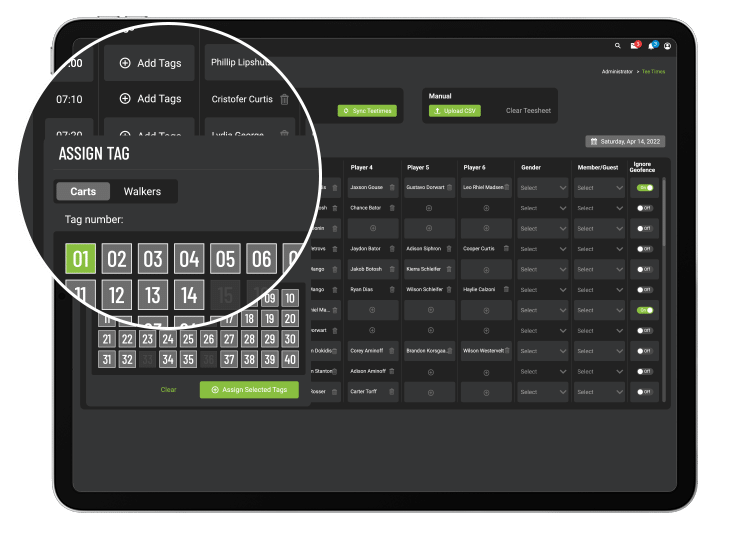
Operators gain access to valuable data on cart usage, round times, and player behavior, supporting more informed decisions around tee sheet management and staffing.
More Revenue Opportunities
Tagmarshal’s GPS system helps operators optimize tee times and improve pace, which allows them to accommodate more rounds per day. Other features like advertising, also add new revenue streams.
Operational Efficiency
In any course, public or private, operational efficiency is key. Tagmarshal’s golf cart GPS system has automated features that reduce the need for manual monitoring. Staff members can then focus on delivering exceptional service.
Final Thoughts on the Golf Cart GPS System and Golf’s Growth
As expectations in golf continue to rise and the game keeps growing, the golf cart GPS system has become a key part of meeting player expectations. Participation is growing, demographics are shifting, and new formats of play are changing how the game is experienced.
For golf courses, adopting golf technology like GPS systems helps deliver a more connected and data-driven experience. With this, courses can position themselves for long-term success.
To elevate your course to new heights and fully embrace golf’s steady growth, get in touch with Tagmarshal and book a golf cart GPS system demo today!
IMPROVE YOUR PACE AND FLOW OF PLAY WITH TAGMARSHAL
Watch Demo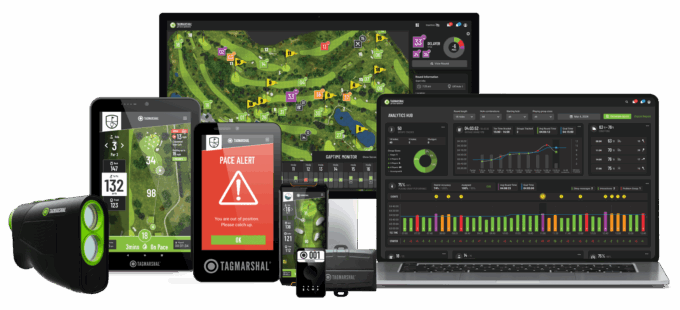
ABOUT TAGMARSHAL
Tagmarshal, the market leader in on-course optimization technology, provides courses with full, real-time operational oversight and reporting, giving golf operators the tools to manage pace and flow of play effectively, resulting in enhanced player experiences, increased efficiency through automation, and additional revenue generation.
Tagmarshal’s technology has collected over 100 billion data points from more than 95 million tracked and improved rounds of golf and has relationships with in excess of 900 partners, including Hazeltine, Whistling Straits, Baltusrol, Fieldstone, Bandon Dunes, The Old Course at St Andrews Links, Serenoa and Erin Hills.
Tagmarshal partners with several golf management groups, private, daily fee, public and resort courses, including 50 of the Top 100 courses, as well as many $40-$60 green fee courses, which are seeing excellent results using the system.
SOLUTIONS
 WATCH DEMO

