How Tagmarshal’s Golf Cart GPS System Helps Architects Design Top-Performing Courses
Designing a golf course is both an art and a science, and smart technology like Tagmarshal’s golf cart GPS system is transforming how architects approach it. Every tee, fairway, bunker, and green must be carefully positioned to keep the layout visually appealing while also balancing the challenge, safety, and playability. A course should attract players while staying operationally efficient and sustainable over the long term.
As mentioned, technology is changing how operators and architects approach the challenges that come with designing a course. Traditionally, designers had to use topographic maps and intuition, and go through trial-and-error during the construction phase. These methods still form part of the process, but a golf cart GPS system gives operators a chance to see exactly how a course functions under real-world conditions.
As such, design decisions, from hole sequencing to cart path placement, can be informed by historical data and evidence rather than assumptions. Tagmarshal is also partnered with the American Society of Golf Course Architects to take this approach even further. With GPS-driven insights, architects can optimize layouts for both playability and operational efficiency.
In this article, we’ll take a closer look at the core parts of golf course design, the major role of hole sequencing and maintenance planning, and how Tagmarshal’s GPS system can give operators and architects key insights that can be used in both new builds and course renovations.
The Golf Cart GPS System and the Fundamentals of Golf Course Design
The process of designing a golf course goes far beyond just placing some holes on a large piece of land; it is a careful orchestration of terrain, strategy, aesthetics, and logistics. The fundamentals of the design process are what create the foundation for a course’s playability, flow, and longevity.
Design Objectives and Constraints
Every course, before construction begins, should have a list of core objectives to aim for.
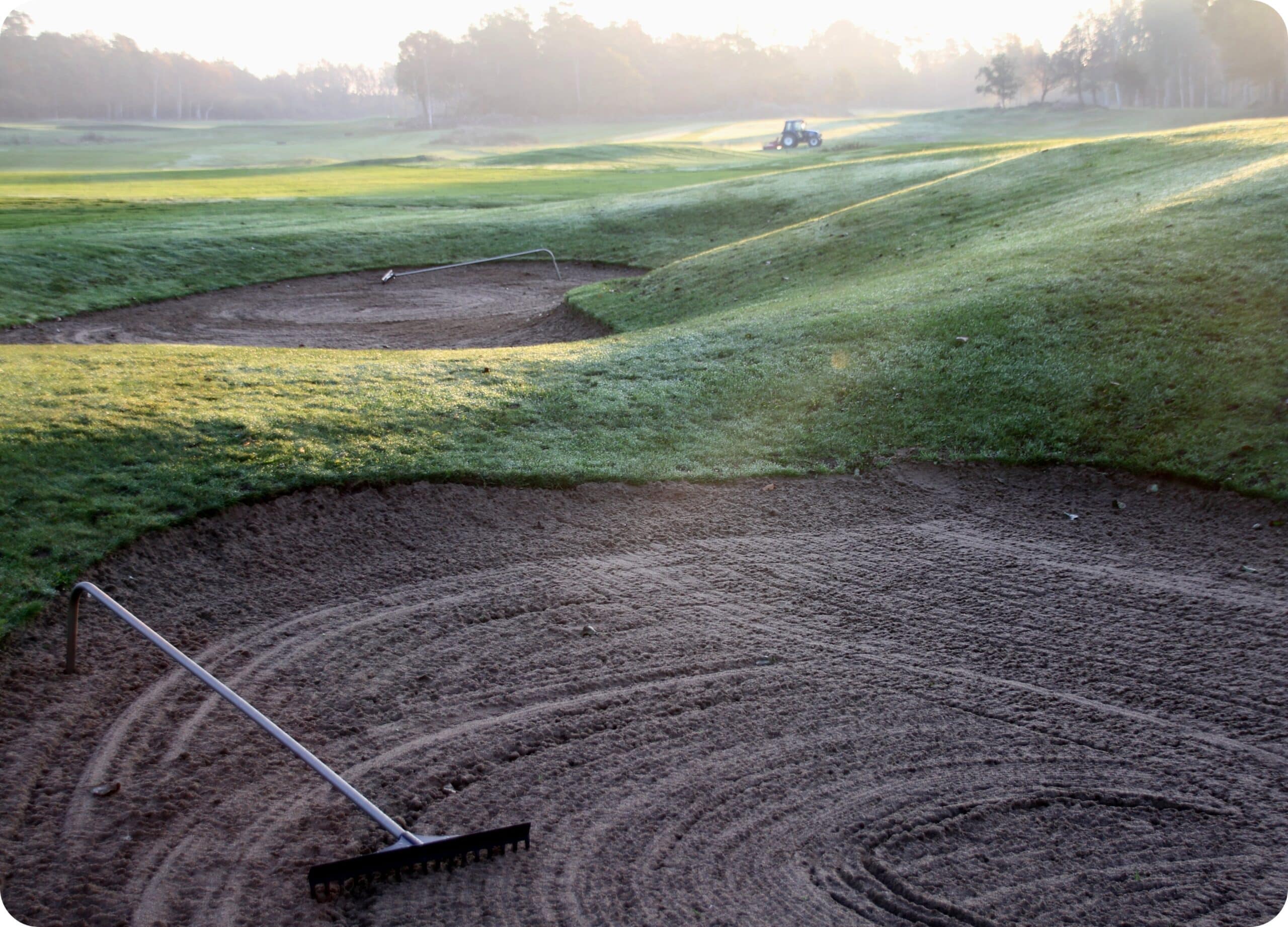
- Playability and Challenge: A golf course should provide a fair challenge for a wide range of skill levels. The course should balance hazards, shot variety, and green complexity so beginners can enjoy the game while advanced players are strategically challenged. Where a designer chooses to place bunkers, water hazards, and elevation changes can have a huge impact on play difficulty.
- Flow and Safety: How players and carts move through the course needs to feel natural. First and foremost, safety should be at the top of the priority list. Crossing paths should be minimized, blind shots avoided, and enough space maintained between groups to prevent any potential accidents. The flow of a course improves pace of play and keeps rounds moving.
- Aesthetic Appeal: People love going to the golf course for the gorgeous, visual appeal as much as they do playing the sport. A well-designed course should incorporate natural land features, vistas, and landscape architecture that complements the environment. The surrounding trees, water features, and elevation changes should serve strategic and visual purposes.
- Maintenance and Sustainability: All courses must be sustainably designed, and architects should therefore anticipate long-term upkeep. This means planning for irrigation, turf care, mowing patterns, and access for maintenance vehicles. Sensitive areas on the course must be protected from overuse, and high-traffic zones should be reinforced to withstand frequent play.
- Operational Considerations: Architects also need to consider how the course will operate on a daily basis. This means taking into account factors like tee time scheduling, staffing, and resource allocation, as these can all be influenced by the layout of the course. A thoughtfully designed course makes sure that both players and staff can easily navigate the course.
Hole Sequencing and Routing

Among the most important aspects of course design is hole sequencing, which is essentially the order in which the holes are laid out on the land. Well-designed sequencing keeps enough variety, maintains interest, and distributes wear evenly throughout the course. Key factors to consider include:
- Par Variety: By balancing par-3, par-4, and par-5 holes, you allow for strategic and scoring diversity. Long holes require more strategic planning and power, while shorter holes need precision and creativity.
- Shot Variety: All holes should not offer the same challenge, and players should have to use a variety of shots to get through the course. Uphill shots, downhill shots, water crossings, and bunker placements should all encourage strategic thinking. A course should never feel repetitive to players.
- Natural Routing: Routing should follow the natural contours of the land and avoid unnecessary crossings of paths or roads. This can improve flow and reduce any potential conflicts between groups, which ultimately minimizes the risk of accidents and congestion.
- Traffic Distribution: Where the holes are placed can also influence cart and walking traffic. For example, if you place a high-traffic hole near a less congested path, you can prevent potential bottlenecks. Poor sequencing, on the other hand, can create overused areas, which ultimately lead to more turf damage and slower players.
- Starting and Finishing Holes: The first and final holes set the tone for a round. The first hole should generally be approachable, yet engaging, while the finishing hole should be strong enough to leave a lasting impression on the player.
Maintenance, Sustainability, and Turf Preservation

A successful course is about more than just how it looks or plays on the day; it has to be sustainable in the long term, enduring years of frequent use. As such, architects need to consider:
- Wear and Tear Zones: Greens, tees, and high-traffic fairways tend to experience the most stress. Naturally, these areas require more resilient turf and strategic placement of paths and access points.
- Maintenance Access: Easy access is very important. Mowers, irrigation vehicles, and maintenance crews should be able to enter and exit without disrupting play.
- Water and Resource Management: In golf course design, irrigation systems are critical. This is especially true in drought-prone regions. Native grasses, optimized watering zones, and minimized turf areas help reduce the environmental impact.
- Environmental Protection: Any course designer needs to respect the surrounding ecosystem. Wetlands, streams, and native vegetation should be preserved wherever possible.
- Long-Term Cost Efficiency: There are, of course, financial implications to design decisions. Courses with smart layouts and sustainable features can reduce long-term maintenance costs, labor demands, and water usage to make them more economically viable.
Understanding and mastering the fundamentals of course design can lead to courses that are both playable and sustainable. Today, designers, architects, and operators embrace smart technology to validate designs, optimize routing, and ensure that the course functions exactly as intended.
How Tagmarshal’s Golf Cart GPS System Improves Golf Course Design and Operations
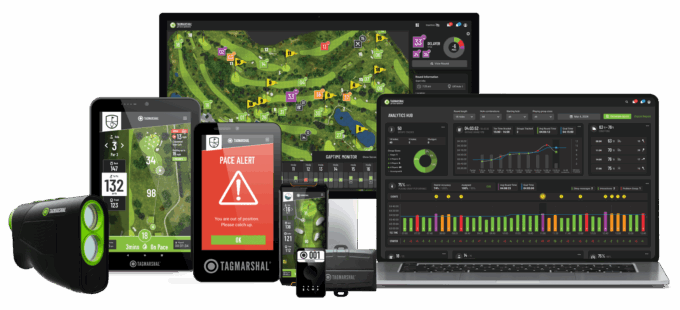
Today, designing a course requires an understanding of real-world player behavior, traffic patterns, and maintenance realities. This is where Tagmarshal’s golf cart GPS system can work as a game-changing tool. With GPS tracking, data analytics, and operational insights, Tagmarshal provides a comprehensive picture of how a course is truly used. This leads to smarter design, optimized play flow, and sustainable long-term maintenance.
Understanding Real-World Traffic and Usage Patterns
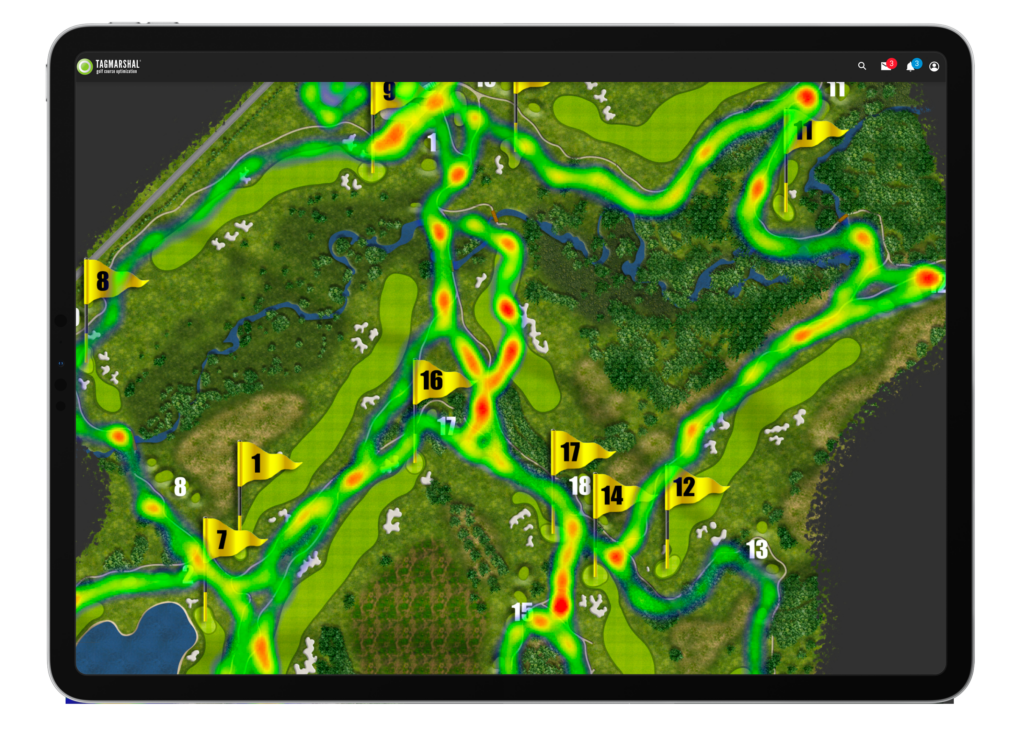
Tagmarshal’s AI-driven tech provides the ability to get real-time and historical data on cart and walking group movements.
Courses that collect and review this data over multiple rounds can generate heatmaps that reveal which holes, fairways, and paths experience the most traffic. In high-traffic areas, courses can identify stress points, potential bottlenecks in flow, and areas prone to erosion. On the other hand, underused zones can represent opportunities for rerouting, redesigning, and optimizing space.
For course designers and architects, this standard of insight changes the way that layouts are evaluated. Instead of relying solely on assumptions or theoretical play patterns, designers can validate hole sequencing, tee placement, and cart-path routing by looking at actual player behavior. With real-time conditions to work from, designers get a much fuller picture regarding what works and what doesn’t.
Informing Hole Sequencing, Cart Paths, and Layout Decisions
Hole sequencing and cart-path design are crucial to maintaining smooth play and protecting turf. With Tagmarshal’s GPS data, operators and architects can:
- Optimize Routing: Determine problematic crossings or high-congestion zones and adjust the layout to improve the flow.
- Balance Play Distribution: Make sure that no single area experiences excessive wear. This extends turf life and decreases maintenance costs overall.
- Validate Design Choices: Designers can confirm that planned layouts work as intended. Evidence-based adjustments can be made in accordance with the data before any need for costly construction or renovation.
For new courses, early pilot data can help inform initial decisions surrounding routing. For existing courses in the midst of a redesign process, historical traffic data can be used to get a clear roadmap for strategic adjustments, such as relocating tees, changing the hole order, or reworking cart paths.
Turf Protection and Maintenance
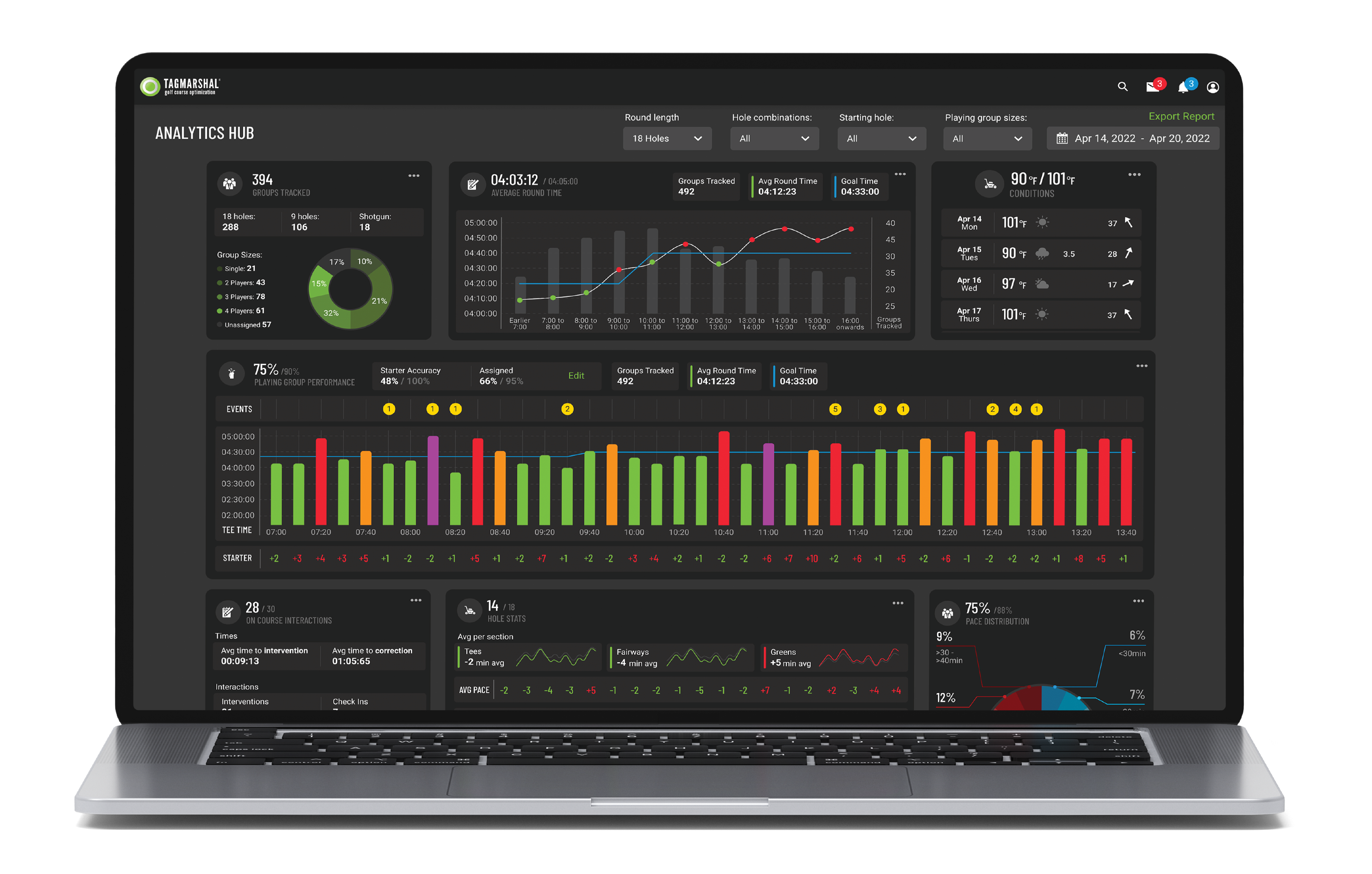
Tagmarshal’s golf cart GPS system can also do wonders for course maintenance. With real-time and historical data, operators can:
- Schedule Maintenance Efficiently: Send crews to areas experiencing lower traffic during lulls in play, reducing disruptions and improving operational efficiency.
- Protect Sensitive Areas: Use geofencing features to alert players when entering sensitive zones like greens, bunkers, or environmentally fragile areas, preventing unnecessary turf damage.
- Allocate Resources Effectively: Zones with heavy use may require more regular watering, fertilization, or rest periods. On the other hand, underused areas can be managed more sustainably.
For golf course operators, these practices can decrease operational costs while supporting environmental sustainability. Courses can conserve water, minimize chemical use, and extend the life of the turf.
Real-Time Monitoring and Analytics
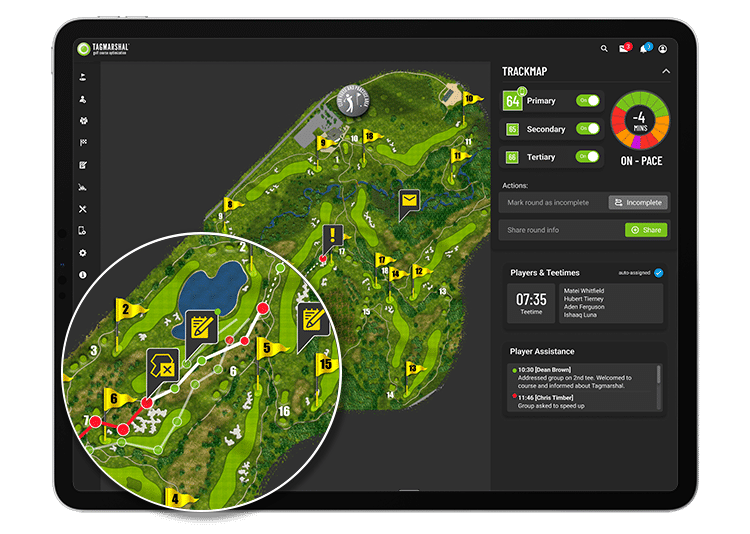
Tagmarshal’s golf cart GPS system can also be used for immediate responses to pace of play issues. This can significantly improve operations as a whole. Marshals and operators can:
- Find Bottlenecks: Quickly identify where rounds are slowing and send alerts or staff to maintain flow.
- Adjust Operations: Alter tee intervals, offer guidance to slower groups, or temporarily restrict cart movement in sensitive zones.
- Inform Long-Term Strategy: Analytics on round times, traffic distribution, and turf stress give architects and operators important data that can be used for continuous improvement, whether through smaller adjustments or major renovations.
Predictive analytics and real-time data help create a holistic approach that links architecture, operations, and maintenance. Architects can design with confidence, as layouts will be supported by data to guarantee the most optimal flow, efficient maintenance, and sustainable operations.
Bridging The Gap Between Design and Operational Reality
With Tagmarshal’s golf cart GPS system, architects and designers can consider:
● Lifecycle Planning: GPS data can be used to predict wear and stress over years, not just the first season.
● Player Experience: The key insights can be used to improve the pace of play, reduce player frustration, and improve enjoyment as a whole.
● Cost and Resource Efficiency: The data helps courses save on labor, water, and materials with effective resource allocation.
● Stakeholder Communication: Objective data also makes it much easier to justify redesigns, renovations, or operational changes to owners and board members.
Final Thoughts
With Tagmarshal’s golf cart GPS system, architects can go beyond theory by illustrating how golfers use a course every day. Real-time GPS data, heatmaps, and analytics allow designers and operators to protect sensitive turf and improve pace of play.
Instead of guessing where traffic and maintenance issues may arise, architects can design and continually refine the course based on evidence. The result is a smarter layout, better player experiences, and a more sustainable operation in the long term.
Learn how Tagmarshal’s golf cart GPS system and data technology can support your next project. Get in touch or request a demo today!
ABOUT TAGMARSHAL
Tagmarshal, the market leader in on-course optimization technology, provides courses with full, real-time operational oversight and reporting, giving golf operators the tools to manage pace and flow of play effectively, resulting in enhanced player experiences, increased efficiency through automation, and additional revenue generation.
Tagmarshal’s technology has collected over 100 billion data points from more than 95 million tracked and improved rounds of golf and has relationships with in excess of 900 partners, including Hazeltine, Whistling Straits, Baltusrol, Fieldstone, Bandon Dunes, The Old Course at St Andrews Links, Serenoa and Erin Hills.
Tagmarshal partners with several golf management groups, private, daily fee, public and resort courses, including 50 of the Top 100 courses, as well as many $40-$60 green fee courses, which are seeing excellent results using the system.
SOLUTIONS
 WATCH DEMO

